
Goldman Sachs: Retail Trading Activity in U.S. Stocks Drops 45%, Stock Supply May Reach 26-Year High in 2027

 Prefer us on Google
Goldman Sachs data shows that retail trading activity in U.S. stocks has decreased by about 45% since the end of 2025, with the share of retail trading in total U.S. stock trading volume falling from 15% to about 9%, nearing the lowest level since 2020. Goldman Sachs believes that rising energy prices, weak consumer confidence, and higher U.S. Treasury yields have weakened retail investors' willingness to buy. Despite the cooling enthusiasm for short-term trading, U.S. households still net bought about $840 billion in U.S. stocks in the first half of the year, with stock mutual funds and ETFs attracting about $350 billion in inflows this year. Household stock assets are highly concentrated, with the wealthiest 10% of households holding about 87% of household stock assets. Goldman Sachs warns that the U.S. stock market faces supply pressures. In the first half of 2026, U.S. listed and unlisted companies are expected to net issue about 175 billion shares, and it is anticipated that net supply in the U.S. public stock market in 2027 may reach the highest level since 2000. With hedge funds reducing positions and corporate equity supply increasing, Goldman Sachs believes that whether U.S. households can continue to buy stocks will be key to the market's ability to absorb the new supply. The firm's baseline forecast suggests that if the job market remains stable and bond yields moderate, household demand for stocks is expected to remain robust.
This content is provided for general informational purposes only and doesn't constitute financial, investment, legal, or tax advice. Any events, rewards, online promotions, or related information mentioned herein should not be considered a recommendation, solicitation, or invitation to purchase, sell, trade, or otherwise deal in any crypto assets. Crypto assets are highly volatile and may result in loss. The availability of WEEX services, products, and related events may vary by region. You are responsible for ensuring that your participation is in accordance with applicable local laws and regulations.
You may also like

Ethereum Foundation backs default wallet privacy as Kohaku work advances

Manus quietly released its 2.0 declaration

Justin Sun Prize Partners With MathDB, Led by Caltech Professor Tony Yue Yu, on 50-Problem Pilot

CFTC advances voluntary crypto exchange registration as Congress stalls

Crypto: Over 10,000 Claims Against Restrictions by British Banks

AI agents are launching memecoins. MemeToro’s agent answers to open code

Crypto: The Tokenization of RWA Concerns American Conservatives

Pump.fun 'optimized for addiction': what the internal messages cited in court really say

Anthony Pompliano: The State Will Never Stop Printing Money! Bitcoin, Gold, and Land Will Benefit for 20 Years

Blocked Stablecoin: Your Private Key Is Not Enough

Cryptocurrencies Seek to Integrate into Finance
Introducing the Best Meme Coins on the Ripple Network: A Review of 5 Popular XRPL Tokens

Bitcoin's next Fed test comes with a hidden problem in America's inflation data
The crypto market loses altitude, patience becomes a habit – Steady Lads

Stablecoin Payments in Europe: How Do CASP, PI, and EMI Fit Together?

Why 22 Trillion-Dollar Giants Refuse to be 'Tokenized'?

Rayls Bridges Traditional Finance and Decentralized Finance

Is 24/7 Trading a Necessity? Analyzing the Real Trading Rhythm of RWA Perpetual Contracts

Cyberattack on GMO in Japan: Trading Accounts Compromised, GMO Coin Claims to be Unaffected
Elon Musk's Grand Scheme to Undermine New Cloud Providers
Google Earnings on Oct 28: Will the Fed Decision Move GOOGL Stock?
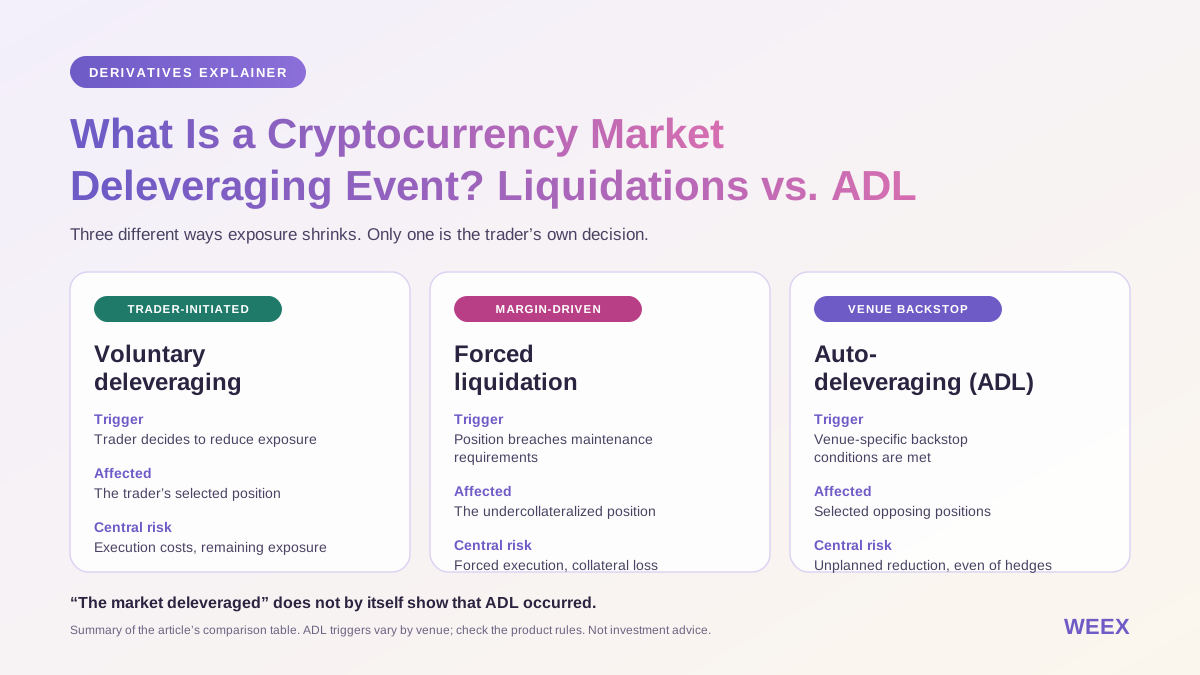
What Is a Cryptocurrency Market Deleveraging Event? Liquidations vs. ADL
Understand a cryptocurrency market deleveraging event: liquidation vs. ADL, misleading open-interest declines, hedge risks, and checks before trading.
The Week Ahead: 4 Key Moments for the Crypto Market
Do Prediction Markets Actually Bring Utility? – Tiger Research

Who Holds Tokenized Stocks? A Large Number of Retail Investors with Highly Concentrated Assets
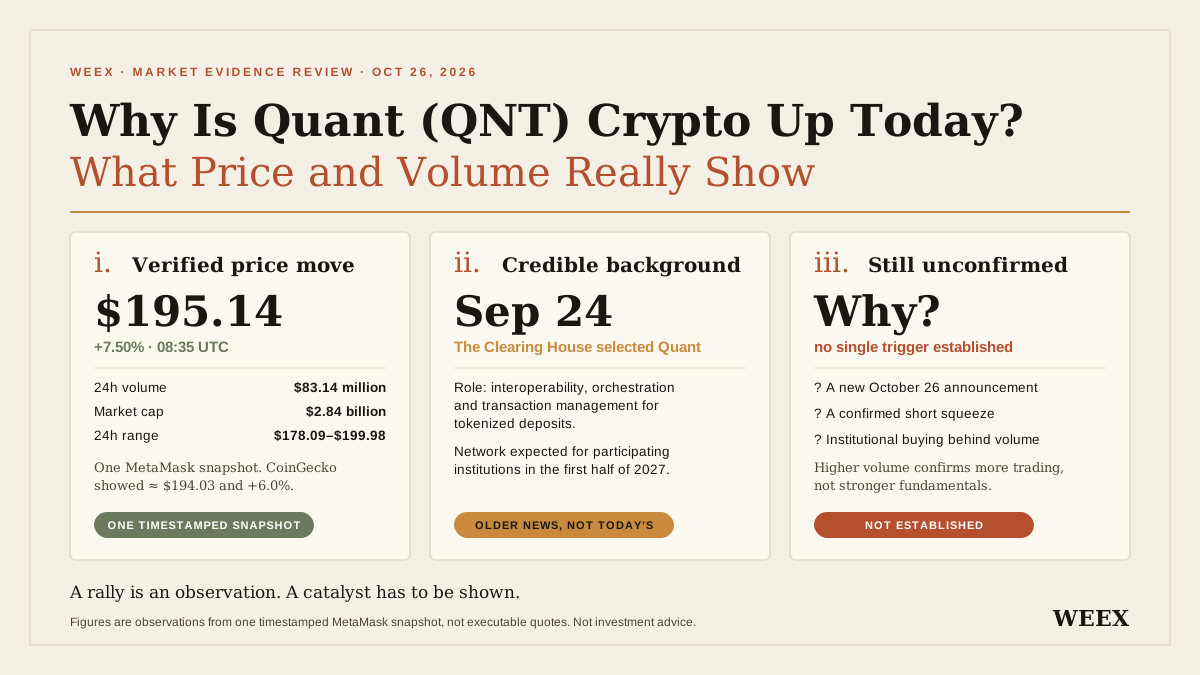
Why Is Quant (QNT) Crypto Up Today? What Price and Volume Really Show
Why is Quant (QNT) up today? Review price and volume evidence, the banking partnership timeline, token-demand assumptions, and risks before trading.
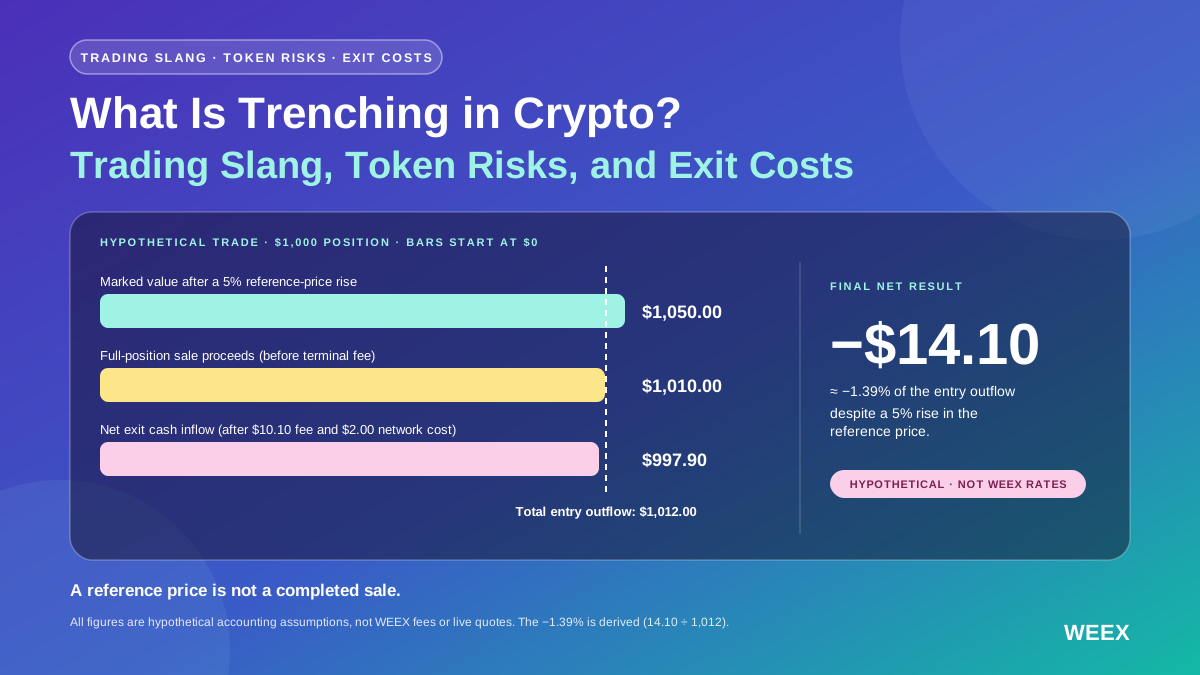
What Is Trenching in Crypto? Trading Slang, Token Risks, and Exit Costs
What is trenching in crypto? Learn the slang, token checks, liquidity risks, and how a rising token can still produce a loss after trading costs.

Flash Loans Secure Two Governance Seats: What Does the X100 Theft Teach the Industry?
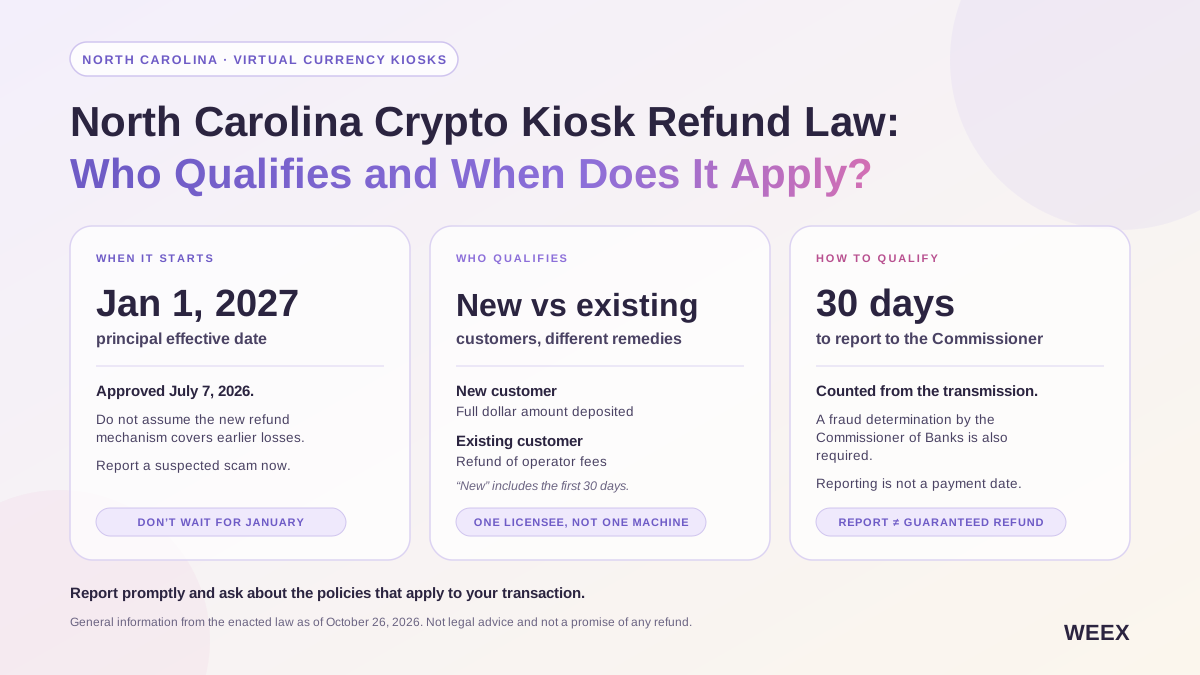
North Carolina Crypto Kiosk Refund Law: Who Qualifies and When Does It Apply?
Understand North Carolina’s crypto kiosk refund law: the January 2027 start date, who qualifies, reporting deadlines, and documents victims should keep.
AI Reduces Vulnerability Discovery Costs, Crypto Industry Divided in Response
Ethereum Foundation backs default wallet privacy as Kohaku work advances
Manus quietly released its 2.0 declaration
Justin Sun Prize Partners With MathDB, Led by Caltech Professor Tony Yue Yu, on 50-Problem Pilot
CFTC advances voluntary crypto exchange registration as Congress stalls
Crypto: Over 10,000 Claims Against Restrictions by British Banks
AI agents are launching memecoins. MemeToro’s agent answers to open code


